
How to Protect Garden Plants in Winter
19th Sep 2025
Winter weather creates a number of challenges for gardens, including falling temperatures, frost, heavy rainfall, waterlogged ground, snow and strong winds. Different conditions can damage plants in different ways, from frost-damaged leaves and roots to broken branches and waterlogged pots.
Whether you’re growing vegetables, caring for tender shrubs, or simply want to preserve potted plants through the cold months, proper winter protection for plants is essential. The good news is that with a little preparation, and the right materials, you can keep your garden thriving all winter long.
Here we look at several practical methods to do this, including moving plants, mulching, protective fabrics, tarpaulins and garden netting.
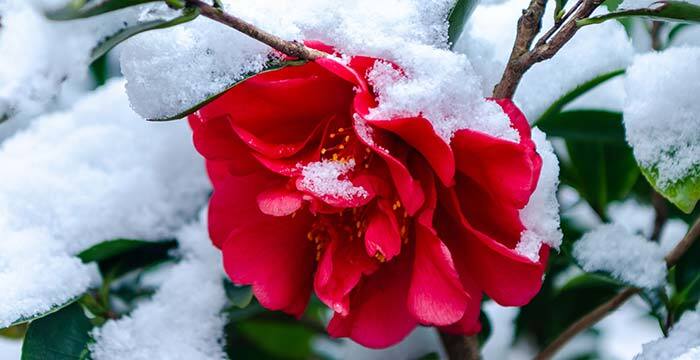 Why do plants need protecting during the winter months?
Plants can suffer various types of damage during the winter months. For example, frost can damage plant cells, leaves and new growth, while heavy rainfall can leave the soil waterlogged, increasing the risk of root rot.
You might also find that strong winds break stems and branches, disturb roots and damage young trees, or that freezing conditions damage exposed roots and causes water-filled pots to crack. Heavy snow can also weigh down branches, causing them to snap.
Not every plant will need additional protection, as hardy native plants and varieties suited to local conditions tend to be more resilient, while tender plants, young shrubs and container-grown plants might need a little bit of extra attention. Evergreen plants and plants in exposed or windy positions can also be vulnerable at this time of year.
Which cover will work best for your garden?
There are different ways gardeners can reduce exposure to frost, wind and excessive rain, and the right approach will depend on the plant, its location and the type of winter weather that it faces.
Hessian
Hessian is one of the best materials for protecting plants from frost, especially if your garden requires a natural, sustainable option.
Breathable Insulation
Unlike plastic, hessian allows air circulation while still trapping warmth, reducing the risk of condensation and mould.
Gentle on Plants
It won’t stick to leaves in freezing conditions, unlike thin plastic sheeting that can cling and cause further damage.
Eco-Friendly
Hessian is biodegradable and reusable, making it a greener alternative to synthetic fleece or plastic covers.
How to Use Hessian in the Garden
Wrap shrubs and young trees
Use hessian like a frost jacket by loosely wrapping and securing around trunks, stems, and branches. This prevents frost from biting into the bark and protects young buds.
Protect soil beds and bulbs
Laying sheets of hessian across soil acts like a thermal blanket. It traps ground heat, preventing bulbs from being damaged before they sprout in spring.
Frost blankets for vegetables
Roll out hessian over raised beds or allotment rows during cold nights. You can pin it down with rope or pegs to stop it blowing away. Unlike single-use fleece, hessian can be stored and reused every winter, making it a cost-effective choice for regular gardeners. Get your hessian rolls today.
Tarpaulins for Larger Plants and Garden Protection
When it comes to bigger areas or sudden cold snaps, tarpaulins are a must-have for both home gardeners and allotment growers.
Waterproof barrier
Tarps keep out rain, snow, and frost, creating a dry environment underneath.
Durability
High GSM tarpaulins are designed to withstand winter winds and repeated use.
Multi-purpose
As well as frost protection, tarps can cover sheds, compost heaps, log piles, or greenhouses.
Tarpaulins can provide a waterproof barrier against rain and snow, making them useful for protecting garden areas and equipment from excessive moisture. They can be used to protect raised beds and vegetable patches from heavy rainfall or create temporary shelters over vulnerable garden areas. Tarpaulins can also cover pots and containers to help reduce exposure to excessive rainfall.
All tarpaulins should be supported above plants using frames, stakes or other suitable structures rather than resting directly on foliage for prolonged periods. They are waterproof coverings and not breathable frost insulation, so they are not a replacement for horticultural fleece or hessian.
Make sure that you choose an appropriate size and weight of tarpaulin for its intended use, with stronger coverings for more exposed locations. Many tarpaulins feature eyelets, allowing them to be secured using bungee cords and other suitable accessories that can help to secure coverings against the wind, but you should check the fixings regularly.
How to Cover Plants for Frost with a Tarpaulin
Raised beds and vegetable plots
Use stakes or frames to support the tarp above your plants, creating a mini shelter, which prevents the tarp from touching delicate foliage.
Protecting pots and containers
Frost often cracks terracotta or ceramic pots. By wrapping or covering them with a tarpaulin, you prevent water from soaking into the material and freezing.
Quick frost cover
Tarpaulins are invaluable for emergency protection. If a sudden frost is forecast, drape a lightweight tarp over your plants before nightfall and secure it with rope or pegs. Always lift or remove tarps during the day so plants get light and fresh air to prevent overheating and condensation build-up. Discover our range of tarpaulins.
Netting for Wind and Snow Protection
While frost itself is harmful, cold winds can dry out plants and snow can weigh down branches, snapping them. Using netting can prevent both problems.
Acts as a windbreak
Stretch netting around allotments, young hedges, or delicate shrubs to reduce the impact of icy gusts.
Snow management
Netting catches falling snow before it piles up directly on plants, reducing the risk of branches snapping under the weight.
Support structure
Netting can also help hold coverings like hessian or tarpaulins in place, making them more resistant to storms.
Garden netting has several possible winter uses, depending on its type and how it is installed. It can be used as a protective covering over raised beds and vegetable patches or to provide a barrier against birds and other pests.
Special windbreak mesh can also be used around vulnerable areas to reduce exposure to strong winds, but this will need appropriate supporting structures and secure fixings. Ordinary garden netting does not automatically provide effective wind protection, so choosing the appropriate mesh type and installation is important.
How to Use Netting in the Garden
- Build simple frames or hoops over vegetable beds and secure netting across the top.
- Wrap netting around vulnerable areas to reduce exposure.
- Use netting on scaffolding or garden structures to act as a barrier against flying debris in storms.
For allotment growers, netting also has the bonus of keeping birds and pests away during the leaner months.
Other Essential Winter Plant Protection Methods
Covers are vital, but there are other methods every gardener should use to winterise an outdoor garden.
Move vulnerable plants to sheltered locations
Moving potted plants into a greenhouse, conservatory, shed or sheltered part of the garden can reduce exposure to frost and strong winds. You could place containers against a sheltered house wall or group pots together to provide some protection.
Dormant plants can be stored in a frost-free shed, while evergreen plants still need access to light. You could also consider raising pots on pot feet or bricks to improve drainage and reduce the risk of waterlogging and freezing.
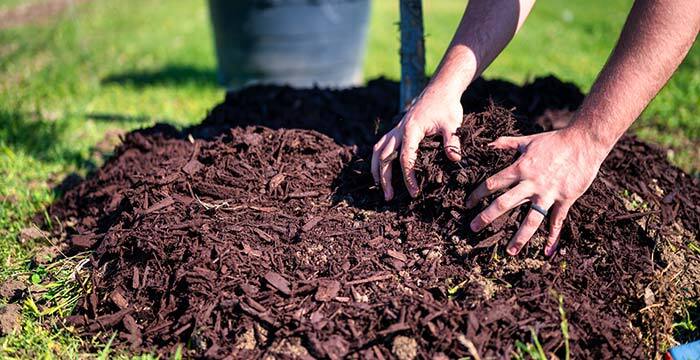 Use mulch to protect plant roots
Mulch provides an insulating layer over the soil, helping to protect roots from freezing temperatures. Some of the most suitable materials include compost, bark and leaf mould, as these will help to retain soil moisture and improve soil structure as organic materials break down.
Applying a suitable layer around the base of plants, avoiding direct contact with stems and trunks can offer good levels of protection. This is particularly useful for tender perennials and plants with vulnerable roots.
Consider horticultural fleece
Fleece can be laid over plants or supported around them, while hessian can be loosely wrapped around branches and stems. You should secure the material without damaging the plants and check the coverings periodically during the winter. Neither material should be treated as a substitute for moving particularly tender plants somewhere frost-free when necessary.
Choosing the right materials for winter garden protection
Hessian and horticultural fleece are suitable for breathable plant coverings and frost protection, while tarpaulins provide waterproof protection against rain and snow. Garden netting or suitable windbreak mesh can be used for barriers and supportive structures.
Gardeners should consider the size of the area, the plants that are being protected and how exposed the location is. If buying tarpaulin, you should check the dimensions, material, weight, eyelets and compatible securing accessories first. It is important to remember that different materials will serve different purposes, and they may be used together.
Prepare your garden before the first frost
Before the first frost hits, you should identify any plants that are vulnerable and move suitable pots into sheltered areas. You can apply mulch around vulnerable roots and prepare hessian, fleece and tarpaulins.
You should also check garden structures and secure loose coverings while making sure that pots and containers have adequate drainage. By preparing early, you can have better results than waiting until the first severe frost arrives.
Give your plants the protection they deserve!
Protecting plants against frost, excessive rain and strong winds can help them to survive the winter. However, different plants and garden areas will need different types of protection. Tarpaflex is home to practical garden protection products, including tarpaulins and suitable accessories, so explore the range and prepare your garden for the colder months.

