





Year-Round Uses for Tarpaulins
10th Mar 2026
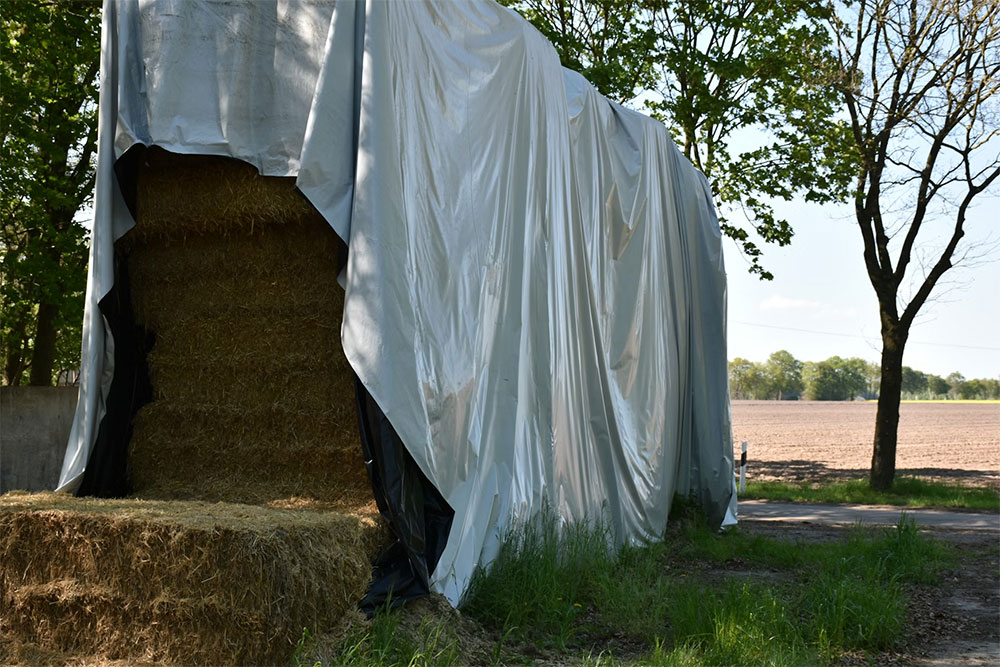
Tarpaulins are often associated with temporary summer DIY projects, but in reality, they are used across multiple industries throughout the year. Tarpaulins can not only provide weather protection, but also containment, separation, load security and surface protection.
They can be used across domestic settings, construction, agriculture, transport and industrial environments, making them incredibly versatile.
Here, we take a look at their everyday and professional applications to find out how they can be used for 12 months of the year.
What makes tarpaulins so versatile?
Tarpaulins have significant waterproof and weather-resistant properties and are made from a range of materials including the lightweight and cost-effective polyethylene, heavy-duty and durable PVC and the breathable canvas options.
They also come in a range of weight classifications, with their GSM affecting their strength and durability. In addition to this, there are reinforced edges and eyelets to allow secure fixing, so you can find a tarpaulin that is suitable for temporary covering or semi-permanent installations. They are also reusable and portable, making them ideal for a wide range of situations.
Domestic and consumer uses
Tarpaulins have a number of uses around the home and are often used to protect garden furniture during the winter or in periods of wet weather. They can also act as ground sheets for landscaping, painting or renovations, and emergency roof or window coverings during repairs.
Many people use them as firewood and log storage as long as there is adequate ventilation, and they have also proved versatile when it comes to vehicle, caravan or trailer protection.
If you are moving home, a tarpaulin can provide the ideal protection for those important or valuable pieces of furniture.
Not all tarpaulins are made the same and so lightweight tarps are ideal for short-term or light-duty use, whilst heavy-duty options are better for prolonged outdoor exposure.
Construction and building trades
Tarpaulins are great domestically, but they also have an important function in the construction world. They can often act as scaffold sheeting for weather protection and provide temporary roofing during structural works.
They are a great way to protect building materials from the rain and contain dust or debris during any interior refurbishments that are being carried out. They can also be secured to skips or waste areas to keep items undercover.
Tarpaulins are popular as they can play a part in reducing risk on a construction site by helping to avoid water damage or material spoilage. They are site-efficient and compliant and offer significant durability under high-wind conditions or for repeated use. With the help of reinforced eyelets and tear-resistant materials, they can be used on many different occasions and in a range of conditions.
Industrial and manufacturing environments
Tarpaulins are also a big feature of industrial environments as they can be used to protect equipment during shutdown periods. They are ideal for creating temporary internal barriers for segregation or maintenance zones and are also useful for spill containment or floor protection.
They are often purchased with the intention of covering raw materials or finished goods whilst in storage or for providing essential loading bay weather protection.
Agriculture and land management
For the agricultural industry, tarpaulins provide perfect crop and feed protection, as well as covering hay bales and machinery, keeping the most important things safe. They can also offer protection for soil and ground or act as temporary livestock shelter partitions.
There are even some cases where they can act as a silage pit cover. These kinds of tarpaulins are used outdoors a lot and have proved popular thanks to their UV-resistant materials and the heavy-duty or reinforced options that are available. They also provide excellent breathability in certain agricultural contexts.
Transport, logistics and storage
Tarpaulins have been used as load protection for trailers and flatbeds for many years and are also ideal for covering palletised goods and providing temporary outdoor storage. They offer protection during relocations or warehouse moves and can help to secure goods that are in transit. They not only offer weather protection but can also prevent contamination and secure loads with proper fastenings.
Events, facilities and public spaces
Tarpaulins provide all-important temporary ground cover for events as well as protection for equipment and staging. They can offer weatherproof entrances or queuing areas and can also be used to cover seating or infrastructure.
Choosing the right tarpaulin for the job
Tarpaulins are measured in grams per square metre (GSM) and the higher the GSM, the heavier and more durable they will be.
There are also different materials available:
- Polyethylene: This material is lightweight and 100% waterproof. Ideal for general domestic use.
- PVC: Tear-resistant and durable, commonly used throughout the transport and construction industries.
- Canvas: A breathable material that’s recommended for products that might rust if moisture is trapped.
Most tarpaulins offer reinforced corners and eyelets, and there are a number of size and coverage considerations that you need to think about. It is also important to look at whether you need weatherproof or breathable tarps, and if they will be a single-use option or something that needs to be reusable.
Common mistakes to avoid
It is easy to choose a tarp that is too lightweight and so you need to think carefully about the necessary GSM. Poor anchoring of a tarp can lead to wind damage, and some people can make the mistake of using indoor-only tarps when outdoors, leading to them not providing the required levels of protection or durability.
It is also possible to forget the risk of water pooling as tarps will not allow drainage. The type of material is also an important consideration, as tarps can block airflow around stored materials.
Why quality matters
Tarpaulins are useful and versatile, but cheap ones are likely to degrade quickly and have a greater risk of tearing and water ingress. This not only makes them impractical, but it can create safety issues if the securing points fail. There can therefore be significant long-term value in durability and reusability. By investing in a good quality tarp, you can reduce your replacement frequency.
Tarpaulins offer year-round solutions in many different environments, so choosing the right specification is key. If you are unsure which tarpaulin is right for your application, our team can help. Explore the range of tarpaulins available, suitable for both domestic and commercial use.

